Life Skills Development Through Professional Coaching
Life doesn't come with an instruction manual. Most of the things we need to learn, like how to manage time, communicate better, or set boundaries, don’t get taught in school. These are life skills, and they play a big part in how we handle daily challenges, both personal and professional. Without steady support or a clear path, it can be tough to get better at these things on your own. That’s where guidance from someone trained to help can make a real difference.
Professional coaching offers a focused approach to sharpen these tools. A coach can help you move past roadblocks, develop useful habits, and build on what you already know. With the help of a coach who focuses on life skills, you can set clear goals, gain a better understanding of your patterns, and start showing up in everyday life with more confidence and clarity. This kind of steady support can be a turning point for anyone looking to grow in a meaningful and consistent way.
Understanding Life Skills
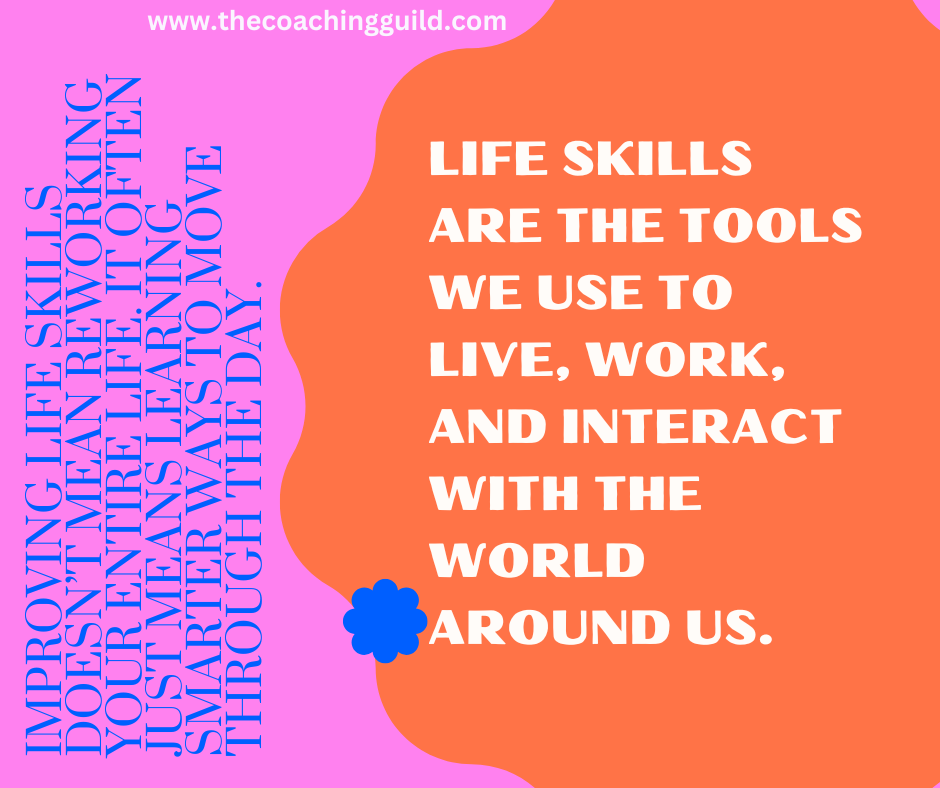
Life skills are the tools we use to live, work, and interact with the world around us. While they may differ based on age or life stage, there are a few core skills that many people find useful regardless of where they are in life.
Some common life skills include:
- Communication and listening
- Time management and organization
- Problem-solving and decision-making
- Emotional regulation
- Goal setting and follow-through
These skills don’t usually appear overnight. Most people pick them up over time, usually through trial and error. But working with someone who sees how these skills link together can really speed up the process. A coach can help pinpoint where things aren’t going smoothly and offer new ways to face those challenges.
Take time management as one example. Many people struggle to keep tasks organized or find themselves running late without knowing why. A coach can help break down your day, track where your time goes, and suggest simple changes. Once you start noticing a difference in how you spend your time, that change often spreads. You might sleep better, feel less stress, and improve your relationships along the way.
Improving life skills doesn’t mean reworking your entire life. It often just means learning smarter ways to move through the day. As you practice the new skills, they turn into habits. And over time, those small habits add up to real, lasting growth.
The Role Of Professional Coaching
Life coaches who focus on skill development have one goal in mind: helping you grow in the areas that really matter. They’re trained to notice patterns, ask good questions, and guide without judgment. Instead of handing you the answers, they help you uncover your own, step by step.
Here’s how coaching tends to work when the focus is on life skills:
- You set a goal. Maybe that’s improving your conversations at work, adding structure to your routine, or reducing stress.
- The coach helps you set small steps that feel realistic and doable.
- Between sessions, you try new strategies and reflect on what worked or didn’t.
- Along the way, you start noticing how your mindset or old habits have been shaping your decisions.
Each coaching session adds a layer of insight and momentum. Life coaching adjusts to your needs, which means it changes along with you. One week, you may focus on better sleep habits. The next, it might be about how to handle conflict at work. That kind of personalized attention helps you stay focused and flexible.
Good coaching doesn’t follow a script. It follows your story. Because of that, life skills development feels more personal. It’s not about mastering general advice. It’s about making shifts that fit who you are and what you want. Whether you’re working on time management or learning to say no without guilt, the right coach helps those lessons stick.
Benefits Of Working With A Coach Specializing In Life Skills
When you work with a coach who specializes in life skills, you’re partnering with someone who understands how everyday habits and thought patterns can block your progress. More importantly, they know how to guide you in shifting those patterns in a way that lasts.
One of the biggest wins is clarity. When you feel stuck, it can be hard to tell what’s holding you back or how to move forward. A good coach helps break it down. They identify which life skills need some attention and build a plan that fits your real life. Because they’re focused on life skills, everything they do points back to your routines, relationships, and personal growth.
Here’s what life skills coaching can offer:
- Help sorting through thoughts when everything feels overwhelming
- New ways to handle stress with a calmer mindset
- Better tools for work conversations or social settings
- Clear guidance to set and follow through on goals
- Simple routines that slowly build your confidence
Let’s say you’re changing careers and feeling unsure about interviews. Or maybe you’re feeling tired and stretched too thin every week. These are areas where a coach can help you reset and move forward with purpose. They help you feel more in control, even during times of transition.
Life skills coaching isn’t about giving advice. It’s about creating a space to reflect, act, and grow. Over time, those small changes become consistent parts of who you are—not just temporary fixes. That’s what makes this kind of coaching so meaningful.
Practical Steps To Find The Right Coach
Finding the right coach takes time, and that time is worth your effort. The connection between a coach and client makes a big difference, so you want to go deeper than a quick search.
Start by looking for coaches who focus on helping people build life skills. Many offer a discovery call, which gives you the chance to talk things through and get a feel for how they work. Notice how the conversation flows and how they listen, not just what they say.
Some good questions to ask include:
- What skills do you often work on with your clients?
- How do you measure progress in your sessions?
- What’s your coaching style like?
- Will you tailor your approach to my needs?
- What kinds of clients do you usually work with?
It’s also helpful to know what you’re looking for ahead of time. Do you want more structure in your daily life? Are you hoping to reconnect with your goals or improve how you relate to others? Do you prefer weekly sessions or something a bit more flexible?
Compatibility really matters. A coach could have all the right experience, but if the talk doesn’t feel natural or the connection isn’t there, it can slow down the process. Look for someone who seems like a true teammate—someone who helps you feel calm, heard, and motivated.
This Kind of Growth Stays With You
Life skills do more than fix small issues. They shape how you move through everyday situations, how you see yourself, and how you show up for others. The guidance of a trained coach helps you develop those skills with purpose and care.
What might begin as building better planning habits or improving your communication often leads to something more lasting. Little by little, those changes stack up and start to change how you live your day. You feel more grounded, less reactive, and more confident with each step.
A skilled life skills coach won’t try to take the lead. They’ll walk beside you. They’ll listen without judgment, challenge you when needed, and celebrate your small wins. When the fit is right and you’re ready to grow, life skills coaching becomes more than a short-term fix. It becomes part of your foundation—and that’s the kind of change worth building.
Discover how working with
coaches specializing in life skills can make a real difference in your everyday routines and long-term goals. Whether you're navigating a career transition, building stronger habits, or looking to improve your mindset, The Coaching Guild is here to support you with guidance tailored to your journey. Let’s make change a lasting journey together.