Growing Your Life Coaching Practice In The Digital Age
Life coaching has shifted a lot over the past few years. More people are looking for guidance to help them move through tough situations, break habits that hold them back, or reach personal goals. As a result, coaching has become more flexible and available, especially online. Whether you're helping someone through a career change or supporting them in gaining confidence, the space you hold matters more than the location where you do it.
This shift isn't just about reaching more clients. It's changed how coaches build businesses, how they communicate, and how they track progress. If you want to keep up, you have to know how to show up online and work efficiently. Whether you're launching your first practice or wondering how to refresh your routines, learning to use digital tools and strategies can help you grow with more ease and confidence.
Embracing Digital Tools for Your Practice
Most coaching sessions today happen through a screen. Whether it's Zoom calls with clients or sending follow-up notes through a scheduling app, digital tools form the base of almost every practice. They make life smoother for both the client and the coach, and they help keep everything in one place.
If you're not sure what tools to focus on, here are a few to start with:
- Video conferencing:
Platforms like Zoom or Google Meet let you connect face-to-face with clients around the world. You need a reliable one with decent sound quality and options like screen sharing or recording if needed.
- Scheduling apps: Tools like Calendly make setting appointments easier. They sync with your calendar so you don’t double-book and let clients book time without the back-and-forth emails.
- Note-taking and CRM systems: Keeping notes organized matters, especially when you have multiple clients. Some CRMs are built just for coaches. They help you track session notes, goals, and follow-ups in one spot.
- Payment platforms: Choose one that works globally if you have international clients. Look for options that are easy to use without high fees.
When adding new tools, start small. Pick ones that solve a real problem you're dealing with. Test the free version first when you can. It’s also helpful to check how well each platform connects with others so you don’t end up juggling logins and passwords.
One example: A coach we spoke to struggled with missed appointments because time zones confused her clients. She added a scheduling tool that adjusted automatically to the client’s location. Cancellations dropped, and everything felt more professional.
Keep your tech simple, user-friendly, and aligned with how you like to work. You don't need every option out there, just the ones that make coaching smoother. When your systems run better, it's easier to focus on clients and trust that the rest is taken care of.
Building an Online Presence
Having a strong online presence today is like having a storefront used to be. If clients can't find you online or understand what you offer, they’ll likely move on. That doesn’t mean you have to be everywhere. You just need to show up where it counts and do it with consistency.
Start with a clean, clear website. It doesn’t have to be fancy. It just needs to help someone understand who you coach, how you help, and how to reach you. Use your voice and make it feel like a real person is writing, not a brochure. Add a simple contact form, keep your links updated, and make sure it's easy to use on both phones and computers.
Next, think about platforms like Instagram, LinkedIn, or even X. Pick one or two where your potential clients are likely to hang out. Don’t post just to fill space. Share meaningful things you’ve learned, thoughts on common struggles, or answers to client questions (without giving details). These little pieces of content, done consistently, help people feel like they know you before ever reaching out.
To bring more value, try mixing up your content. Some ways to stay fresh:
- Write short blog posts that offer helpful advice
- Post short video clips or reels sharing quick coaching tips
- Create simple podcasts or voice notes answering common client questions
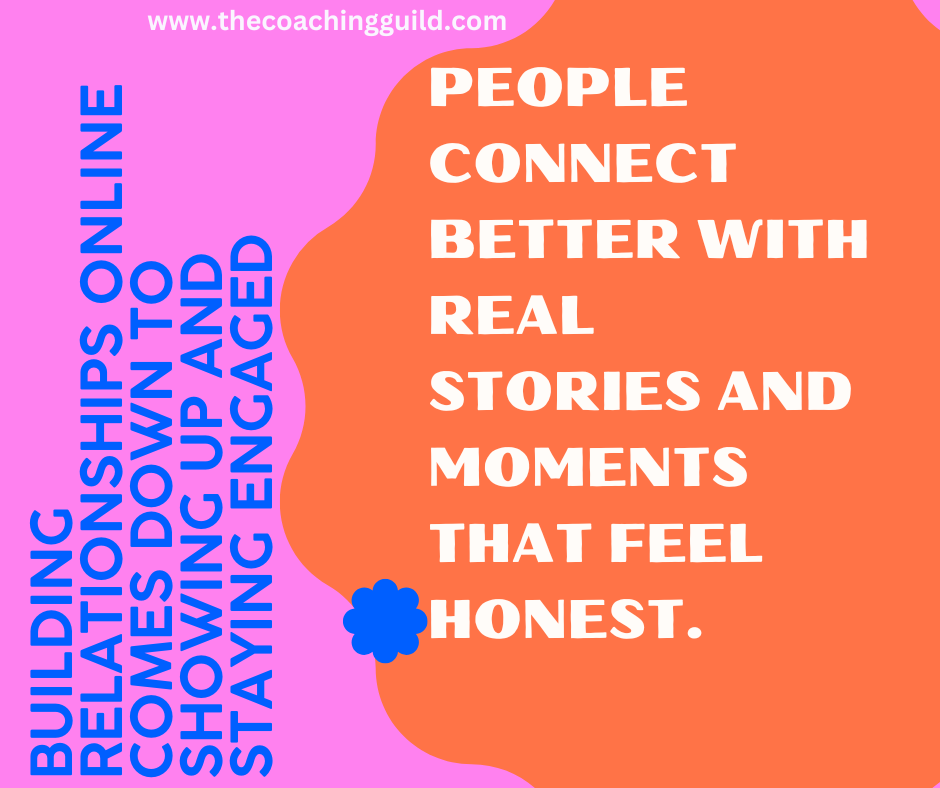
People connect better with real stories and moments that feel honest. Over time, the more useful and real your content feels, the more you’ll attract folks who are a good match.
Instead of chasing followers, think about building trust. That’s what gets someone to click “book now,” not how pretty the page looks. Remember, your online presence doesn’t replace your coaching work. It supports it by helping people find you, learn from you, and decide whether they want to work with you. Keep things current, relatable, and helpful, and you’ll naturally build a space that draws in the right kind of energy and people.
Virtual Networking And Community Building
Working from behind a screen doesn’t mean you have to go it alone. One of the most helpful things you can do as a coach is to stay connected with others in your field. Finding your place in digital communities helps you grow faster, stay motivated, and find people who get what you're doing. Talking with other coaches, joining online events, or being part of a peer group can spark fresh ideas and strengthen your practice.
Start by joining private coaching forums or professional groups on platforms like LinkedIn or Facebook. Look for the ones that offer real conversations, not just promotion. You’ll want a space where members share wins, ask for help, and talk about real situations they’ve faced. It’s not just about gaining advice. It’s about hearing different views and learning new approaches you might never think of alone.
Building relationships online comes down to showing up and staying engaged, even if it’s once a week. Repeat visits, thoughtful comments, or sharing useful articles all help build trust with people over time. And when you need guidance, you’ll already have a network that’s ready to support you.
Along with learning, networking can help you grow your practice. Look out for:
- Meetup-style virtual events or webinars
- Coaching masterminds or accountability groups
- Forums where client referrals are exchanged
- Platforms where you can cross-promote with others in adjacent fields
A health coach might refer clients to a career coach once physical goals are met. An executive coach might team up with someone focused on parenting after work stress leads to family burnout. These relationships are usually built gradually. Connecting with the right people makes your work feel less isolated, and your reach becomes wider without paying for ads or chasing leads.
Continuous Learning And Development
It’s easy to think that once you’re certified, you’ve crossed the finish line. But coaching is something that sharpens with use. The more you learn, reflect, and adapt, the more naturally the work flows. That doesn’t mean getting overwhelmed with course after course. It’s more about staying aware, asking questions, and trying things out with care.
You can grow a lot just by listening to the coaching conversations around you, whether that’s watching a live session during a webinar or hearing a new twist on an old method. Think of learning as something you do in small doses. It doesn’t have to mean going back to school.
If you're looking to keep building your skills, try mixing in options like:
- Online short-term workshops focused on specific methods or styles
- Monthly trainer calls where common issues are worked through
- Podcast interviews with veteran coaches sharing real talk
- Group coaching labs that allow for observation and feedback
And then there’s self-reflection, probably the most underrated tool. Taking time after sessions to pause and ask, “What worked?” or “Where did I get stuck?” can be just as eye-opening as any class. Pair that with feedback from trusted clients or mentors, and you’ll start to see patterns to improve.
Even one small adjustment every month can lead to huge shifts come year’s end. You don’t need to revamp your whole style, just stay curious. Coaching has its own rhythm. Learn when to listen deeper and when to pivot the flow. That’s how you keep evolving.
Growing A Global Clientele
Virtual coaching opens the door to working with clients far beyond your local town or city. You're no longer limited by geography. What matters is clear communication, shared goals, and building trust through your presence over a screen. Clients from anywhere can become regulars when you understand their needs and make their experience feel personal.
To make this work well, it helps to plan for time zones. That starts with setting a calendar that shows your availability in your client’s local time. Many scheduling tools now do this automatically, but double-check your confirmation messages and reminders. A small mistake here can lead to confusion or missed sessions.
Adjust your session structure based on where your client is. For example, if you're coaching someone in another country where the work culture is different, ask questions that reflect that. Don’t assume your usual approach always applies. You’ll build more trust when a client feels you’re paying attention to their life, not just delivering a script.
For coaches looking to reach a wider audience, it helps to:
- Translate your core materials, like welcome packets, into multiple languages
- Offer payment methods that work internationally
- Stay aware of local holidays when planning session schedules
- Watch for cultural phrases or gestures that don’t translate well
Growth across borders takes a little extra thought, but it pays off in how strongly your clients respond. One coach shared that after making these updates, her confidence with international clients rose, and so did her calendar bookings.
Keep your services universal enough to fit most people, but flexible enough to make every client feel seen. That’s what builds a coaching business people talk about, regardless of where they live.
Encouragement For Aspiring Digital Coaches
Starting or changing your coaching path in a digital space might feel like stepping into something unfamiliar, but that’s where every coach begins, at the edge of comfort with a big idea in their mind. If you're thinking about growing your practice, or even beginning one from scratch, know that there's room for you. Clients are looking for different voices, lived experiences, and real people who understand what they’re going through.
Digital coaching doesn’t require perfection. What it needs is your real presence, your effort to keep growing, and your willingness to try new things even if they don't land every time. Your sessions, your content, your emails, every one of those touchpoints gives someone a reason to trust you, or at the very least, remember you.
You don’t need a huge audience to make coaching work, just the right kind of people who want what you offer. When you start showing up consistently, staying open to feedback, and build your toolkit little by little, momentum starts to build naturally.
Stick with the process. Growth takes time, but the path is open if you’re ready.
If you're looking to grow as a coach and help others build strong everyday habits, take a closer look at our
training programs for life coaches. The Coaching Guild is here to guide you through practical coaching tools so you can create lasting impact for those you serve.